The Story of Jameson: Ireland's Gateway to the World
A journey that began when a Scotsman set foot on the Dublin quays has since become the world's best-selling Irish whiskey. A heritage that matured between the stone walls of Bow Street is the story of both a distiller and a nation.
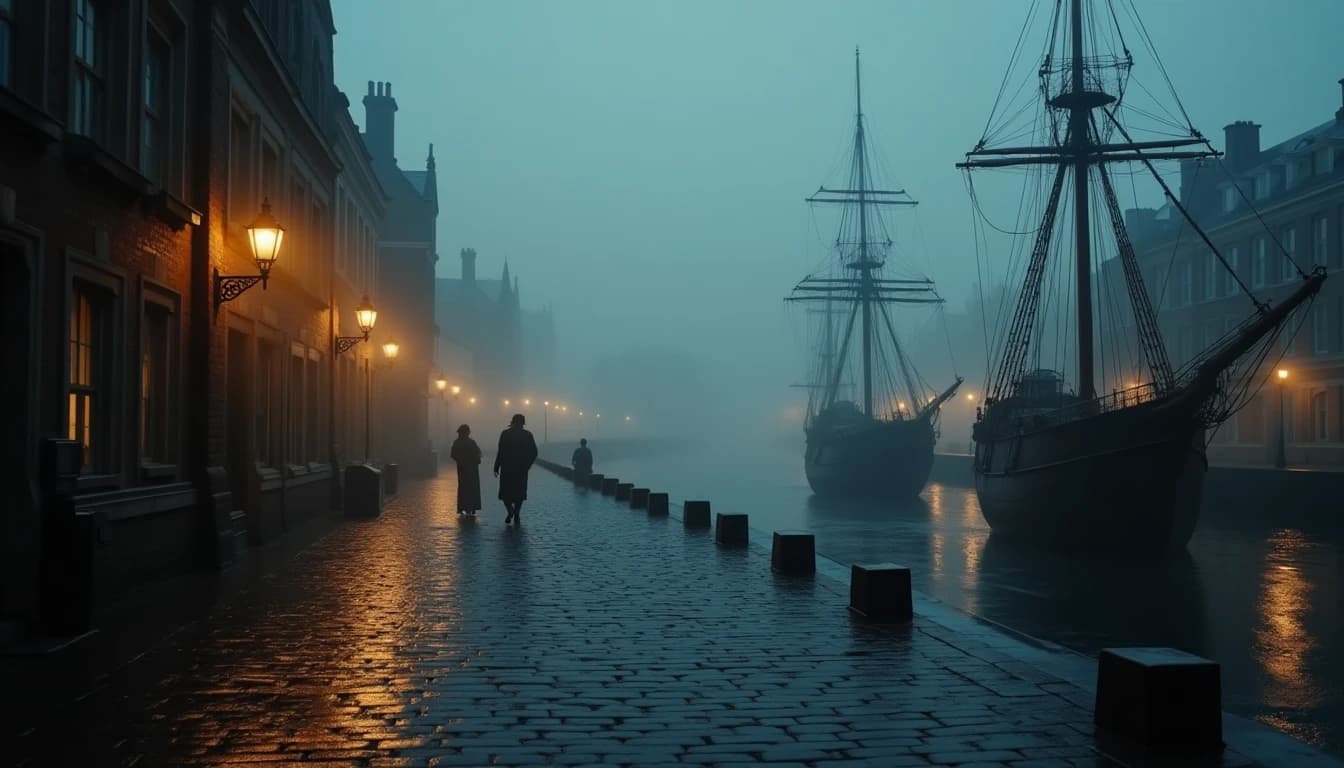
A Scotsman on the Dublin Quayside
In the late 1770s, while the mist mingling with the cold waters of the River Liffey had yet to lift, a man arrived from Scotland and stepped onto the Dublin quays. His name was John Jameson. Behind him lay family ties forged with the Haig dynasty; ahead of him lay a city's thirst — both literal and figurative. Dublin at the time was not only the heart of Ireland but one of the busiest port cities in the world. And John Jameson knew he was searching for a place to strike at that city's very pulse.
Bow Street. Even the name pointed to something far beyond an ordinary road. In 1780, Jameson established a distillery there — yet this was something more than a commonplace commercial venture. Ireland's rich barley fields, its clean spring water, and its gentler distilling tradition fired by wood rather than peat — all of these things together set Bow Street Distillery apart from its very first years.
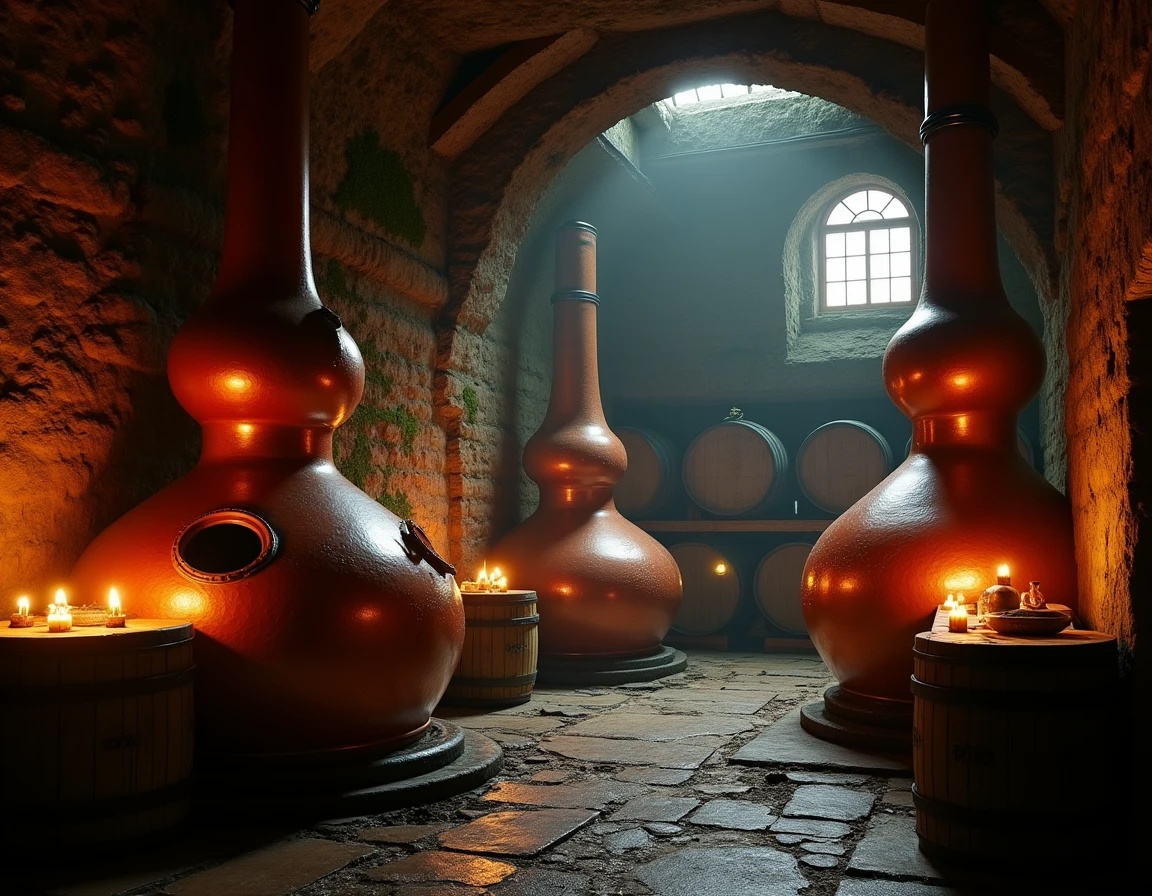
The Spirit of Bow Street: Distilling Three Times
Many things distinguish Irish whiskey from Scotch, but triple distillation is perhaps the most defining of all. What happens when a grain mash passes through the pot still not twice but three times? The roughness is filed away. The edges are rounded. What remains is a softness that does not stop you in your tracks when it hits the palate — it draws you in.
John Jameson did not inherit this tradition; he embraced it, refined it, and wove it into the very soul of his brand. As the years passed behind the wooden doors of Bow Street, the formula remained unchanged yet the quality deepened. Casks layered upon casks, years accumulating in silence. Maturing in the damp Dublin air, these whiskeys acquired a character much like the city itself — wild yet welcoming.
A whiskey speaks not only through what is inside it, but through where it was born. Bow Street told me about Dublin — rugged but warm, old but still standing.
The Long Shadow of Decline
By the close of the nineteenth century, Irish whiskey stood on the threshold of a gruelling period — not just for Jameson, but for an entire industry. On one side, ongoing political tensions with the British government; on the other, Prohibition, which effectively shut the American market. Then came the Irish War of Independence and the severing of trade ties with the British market, followed by the raw material shortages brought on by the Second World War.
Having passed through these storms, Irish whiskey had all but vanished from view by the middle of the twentieth century. Scotch whisky and American bourbon were conquering the world. Ireland had retreated from the shelves — both literally and from living memory.
Yet Jameson, even in that period, was attempting something: survival. In 1966, Ireland's great distilling houses — Jameson among them — came together and founded Irish Distillers. The union was born of both necessity and a shared conviction: this whiskey still had something to say to the world.
Midleton: A New Beginning
In 1975, a decision was made that stretched from the worn yet dignified walls of Bow Street to Midleton, near Cork — a new distillery would be built, modern and efficient, yet without severing the thread of a century-old tradition. Today, Midleton Distillery stands as one of Ireland's largest and most comprehensive distilling facilities, forming the beating heart of Jameson. Even so, Bow Street was not entirely consigned to history; that storied building in Dublin remains open to visitors today under the name Jameson Distillery Bow Street — a window from within history, a tangible expression of reverence for an era.
The move to Midleton was not merely a physical relocation. Capacity increased, consistency improved, and the doors to export began to open one by one. With Pernod Ricard's acquisition of Irish Distillers in 1988, Jameson became part of a global distribution network. And it was from that point forward that the story truly gathered momentum.
A Journey Around the World
While Jameson's annual sales hovered around a few million bottles in the mid-1990s, they began to grow rapidly in the early 2000s. Today, well over ten million bottles are sold each year — a figure that lays bare how Irish whiskey was reborn as the symbol of an entire category.
What achieved this? Distribution networks, global partnerships, and perfect timing all played their part. But the essential point is this: Jameson's character was universal enough to appeal to an extraordinarily wide range of palates. Apple nuances, a gentle grain sweetness, a short but satisfying finish — this profile opens a door for someone tasting whiskey for the first time while offering a seasoned drinker a trusted harbour. It does not push you away; it embraces you. It does not demand; it invites.
When I first tasted it — not in Dublin, but at a small bar in Istanbul — that is precisely what struck my palate. And after a while you realise that within that softness you are not alone; the stone walls of Bow Street are there, the mist of the Liffey, and John Jameson's first resolute step onto Irish soil.
A Heritage, A Character
To tell the story of Jameson is something like telling the story of Irish whiskey in its entirety. For this brand's rise and fall is interwoven with the very fate of that geography. It has passed through political turmoil, withstood economic pressure, lingered in the shadow of global trends, and yet returned in the end with a story all its own.
The triple distillation tradition continues to this day. In Midleton's modern facilities, the pot stills still run three times. The philosophy John Jameson brought to Dublin — quality, consistency, and smoothness — has been upheld for more than two hundred and fifty years.
At that hour of the evening, when I sit with a glass of Jameson, the same thought always comes to me: some stories mature together with the time they hold within them. And this is precisely one of those stories.
Frequently Asked Questions
- In which country is Jameson produced?
- Jameson is produced at the distillery in Midleton, County Cork, Ireland. The brand was founded in 1780 at Bow Street Distillery in Dublin, and production was moved to Midleton in 1975.
- What is triple distillation and how does it affect Jameson?
- Triple distillation means passing the grain mash through the pot still three times. This process reduces the whiskey's harshness, softens its character, and produces the smooth, accessible profile for which Jameson is known.
- Who was John Jameson?
- John Jameson was a distiller born in Scotland. He settled in Dublin in 1780 and established his own distillery on Bow Street. Despite his Scottish origins, he became one of the most important figures in the Irish whiskey tradition.
- Why did Irish whiskey decline in the twentieth century?
- American Prohibition, trade disputes with the British market, the Irish War of Independence, and the raw material shortages caused by the Second World War all converged to bring about a serious decline in Irish whiskey's global standing.
- When did Jameson move to Midleton?
- In 1975, under a decision taken within Irish Distillers, production was relocated to the new Midleton Distillery near Cork. The original Bow Street building in Dublin now serves as a visitor centre.
- What sets Jameson apart from other Irish whiskeys?
- Triple distillation, the Irish pot still technique, and the absence of peat give Jameson a soft, well-balanced character with fruit notes — one that is both true to Irish tradition and appealing to palates around the world.